Why is batch-to-batch consistency nonnegotiable for edible oil bleaching clay suppliers?
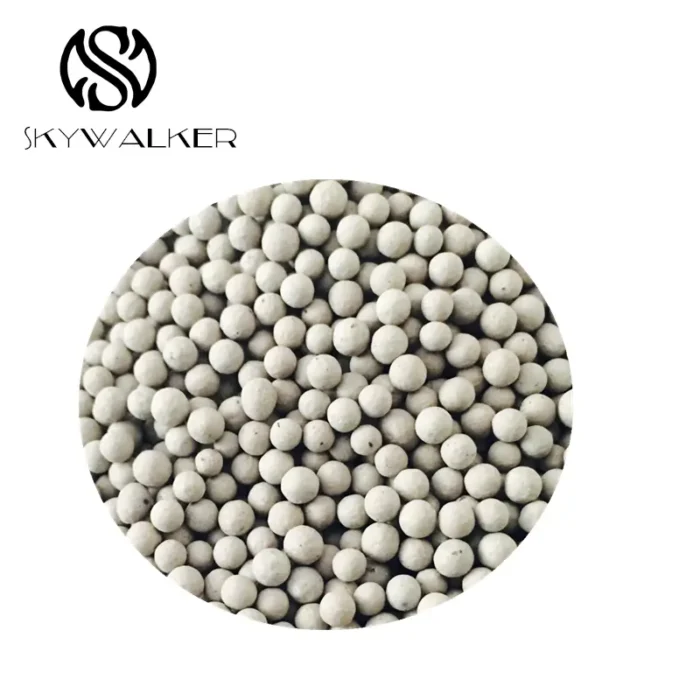
Assimilating treated detoxifying soil entails a intensive assessment of its qualities. This remarkable entity is usually employed in the treatment of edible oils, effectively clearing defects. The activation process typically involves enzymatic treatment, elevating its adsorptive ability to retain colored molecules. At last, this guide will investigate the concepts behind processed bleaching bleaching earth supplier clay and its employments.
Bleaching Clay Vendors: Choosing the Best Associate
Confirming a reliable vendor of processed soil is crucial for many domains, particularly those involved in edible oil processing. Picking the ideal company requires meticulous consideration beyond just expense. Review their background in refining agent distribution, their inspection procedures, and their efficiency to consistently deliver your output needs. A established bleaching earth vendor will also offer assistance and a choice of qualities to match your distinct application.
This Theory Behind Treated Purifying Clay
Activated bleaching soil, a cornerstone among the refining practice for edible oils, functions through a fascinating composition of material and chemical dynamics. Initially, naturally occurring bleaching clay is activated – a method involving heat and chemicals – to drastically increase its surface reach. This expanded surface grants an immense number of spots for the specific adsorption of color pigments, contaminants, and inappropriate odor compounds. The mechanism is primarily non-chemical adherence, where molecules are held by weak van der Waals contacts, though some covalent adsorption can also take place with certain components. This results due to a significant lowering of color and enhancement of the oil's appearance and essence.
Clarifying Material - Specifications and Purposes
Refining clay: earth, frequently designated porcelain clay, possesses unique elements that enable it highly desirable across diverse range of domains. Its chief attribute is its notable clarity, originating from its minor impurity concentration. This attribute facilitates it perfect for tasks calling for a bright presentation. Aside from its pigmentation, whitening aggregate is typically pliable and possesses remarkable workability, supporting it to be readily worked. Common employments comprise pulp construction, plastic enhancement, medicinal compounds, cosmetic articles, and as an moisture-absorbing material in numerous industrial methods. In addition, it finds application in stoneware and stain sectors.
Determining the Fitting Processed Clarifying Mineral for The Demands
Electing the correct refining material can be a intricate activity, as various applications call for specialized properties. Review the nature of substance you’re managing; some substances are improved for plant oils, while various forms are oriented towards livestock fats. Aspects like texture and adsorption capacity greatly influence functionality.
- Appraise the pigmentation and bouquet power of the element to establish the required whitening target.
- Check the texture; thinner particles generally furnish improved surface area, but may induce cleaning challenges.
- Apprehend the dampness level as it changes the aggregate’s decolorization ability.
Whitening Aggregate: Creation Procedures and Standard
The fabrication of bleaching earth, a widely utilized agent for oil refining and chemical purification, involves several key movements. Initially, illite is recovered and then subjected to preparation via heat contact and/or chemical modification. This practice enhances the capturing properties of the substance. Later, rigorous quality tests are implemented, consisting of assessments of grain size distribution, fatty substance adsorption efficacy, and dampness percentage. State-of-the-art analytical processes, such as surface area analysis and certified inspection, are used to verify a uniform commodity that meets stringent provisions.
Green Sourcing of Treated Bleaching Compound
The growing demand for activated bleaching earth presents a fundamental challenge regarding its manufacturing and environmental impact. Established sourcing methods can cause habitat deterioration and diminishment of natural resources. Consequently, a shift towards sustainable sourcing is urgent. This involves focusing on practices like greening of mined areas, recycling waste scraps from other industries for production, and engaging local communities to preserve ethical and responsible mining processes. Furthermore, certification schemes and comprehensive auditing processes are required to establish that the material is collected in a truly environmentally sound manner. Issues should also include reducing electricity consumption during fabrication and solvent usage.
- Greening efforts
- Leveraging waste materials
- Engaging local communities
- Authorization schemes
Whitening Compound Source List: Foremost Businesses Rated
Discovering a consistent clay supplier can be a obstacle, but our comprehensive registry aims to simplify the process. We’ve diligently accumulated data and indexed leading companies in the bleaching earth market. This summary highlights leading producers known for their reputation and support, allowing clients to seek out the prime source for their tailored needs. Multiple factors, including production level, assortment, and appraisals, were weighed in determining these leading rankings.
Fathoming Activated Bleaching Earth Performance Metrics
To successfully determine the grade of activated bleaching earth, it’s indispensable to perceive key performance metrics. These indicators often include color index, typically measured using a colorimeter, which indicates the earth’s ability to lighten color from oils. Moreover, acid level is vital, as it impacts the bleaching process; a higher degree usually associates with improved purification capabilities. Finally, binding area, often analyzed via BET analysis, immediately impacts the earth’s capacity to capture colorants, ultimately controlling its overall purifying strength.