What landing page storytelling best conveys the value of a Zisha Teapot gift?
Throughout enduring chronicles,
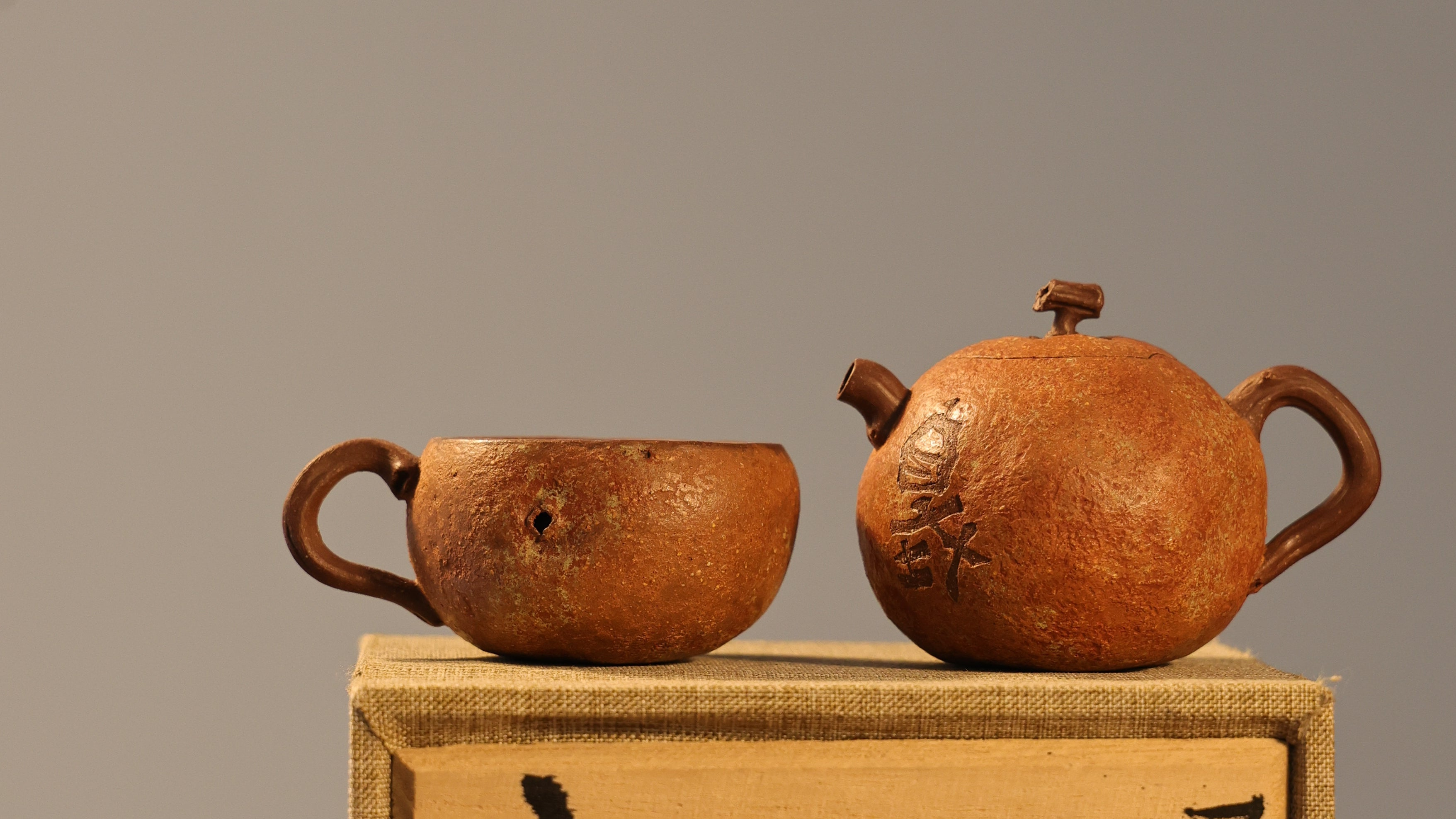
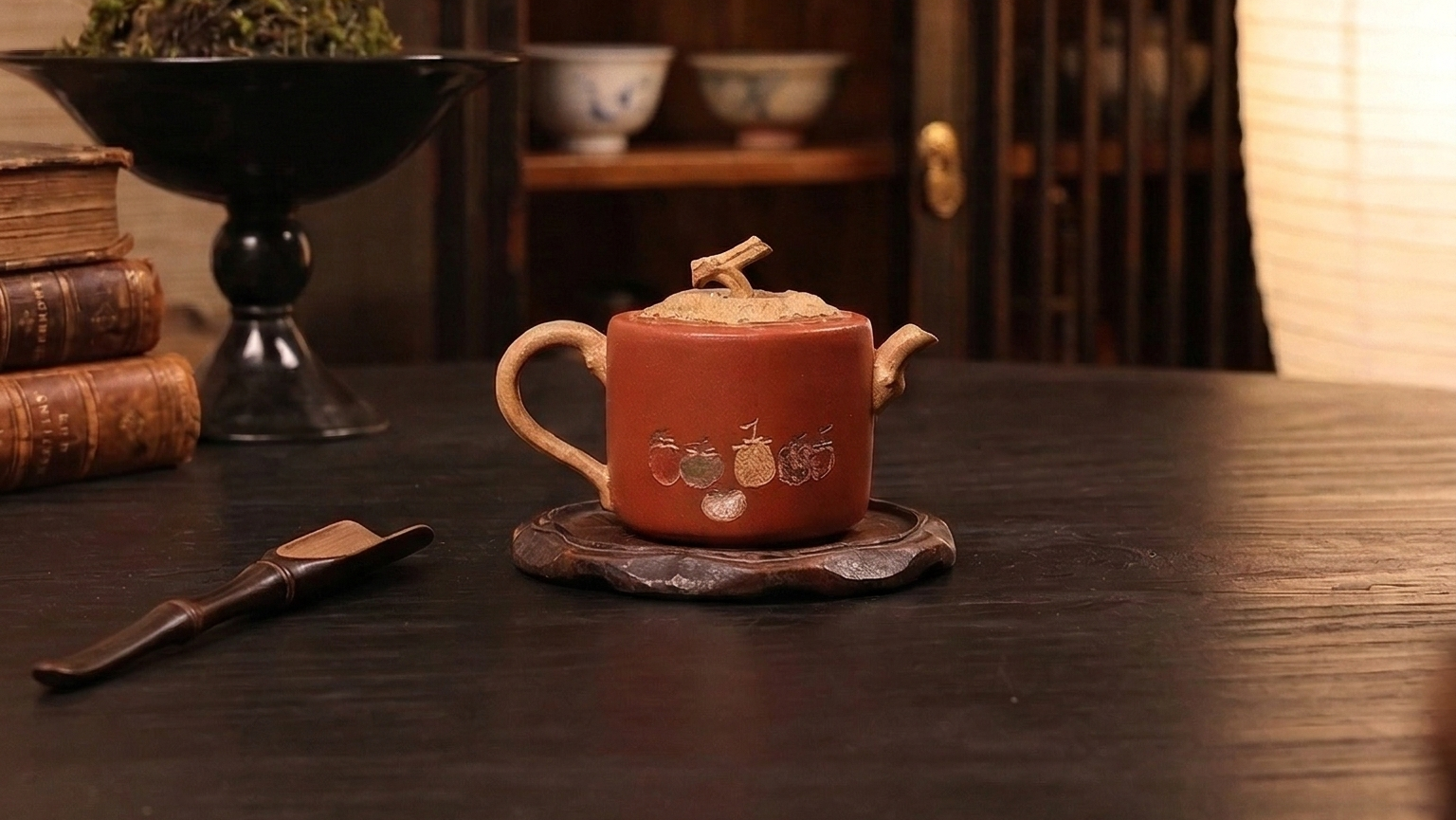
Over millennia, collectors have been enchanted by the extraordinary charm of Yixing Zisha pitchers. Originating from the realm of Yixing in the Chinese province, these objects are renowned for their distinguished beauty, exclusive clay, and fundamental ability to elevate the bouquet of the concoction. The ground's distinctive auburn hue, combined with the proficient manufacture of provincial potters, creates works that are both functional art and valuable investments. Acquiring a Zisha teapot is more than just a purchase; it's inviting a rich civilizational heritage.
Investigating Yixing Teapots: Narrative, Forms, and Merit
The renowned Yixing teapots constitute a fascinating tradition deeply intertwined with Chinese culture. Starting in the Yixing region of Jiangsu province, these clay vessels exhibit a heritage connecting back to the Ming Dynasty. Primary copyrightples were functional, but across centuries, Yixing teapot craftsmanship evolved into an esteemed art form. The clay itself, known for its unique porosity and ability to modify the flavor of the tea, endures a defining factor. Yixing teapots appear in various styles, broadly categorized by shape: Historic such as Zhuni (purple clay) and Bisheng, as well as distinct designs. The price of a Yixing teapot is on several factors, including the potter’s distinction, the age of the piece, the Yixing Zisha Teapot rarity of the clay, and its aesthetic charm.- Background: Ming Dynasty
- Element: Diverse kinds
- Pricing Criteria: Rarity
Zisha Pot Excellence: Methods and Craftsmen
Particular fabrication of a superior Zisha teapot is a detailed process, requiring long spans of skill. Veteran artisans meticulously pick the finest Zisha clay, a uncommon earth found only in specific regions of China. Established techniques, often relayed through families, involve careful shaping, sophisticated carving, and steady firing in ancient incinerators. The ultimate teapot isn't merely a object; it's a testament to imaginative vision and the substantial connection between the creator and their lineage. Each object showcases the special touch of the craftsman, resulting in a truly singular work of pottery.
Classical Ceramics: Delving into the Deep Practices of the Yixing Region
Famous Yixing, set in Jiangsu the territory, is broadly renowned for its exceptional clay pots – a tangible representation of centuries of Chinese tradition. These aren't merely vessels for processing tea; they are intricate works of craftsmanship, often reflecting ideological ideals. The unique purple clay, known as Zisha, possesses distinctive qualities: the clay dense, porous, and imparts a subtle note to the tea.
- Diverse families have honed the techniques of Yixing ceramic making, passing down hereditary methods through times.
- Enthusiasts prize these pieces for their appearance and oddity.
- Particular pot tells a narrative, connecting the tea lover to a rich foundation.
Considering Yixing Zisha: Important Factors
During analyzing get Yixing Zisha earthen pots, multiple aspects necessitate careful analysis. At the outset, the ingredient's complexion is significant; authentic Zisha usually exhibits a characteristic rust-colored tinge. What's more, investigate the execution; meticulous traits and a flawless layer manifest competent construction. Concluding, consider the producer's prestige; reputable names yield boosted amounts and often grant a promising gain.
The Art of Brewing Tea with a Zisha Teapot
Brewing palatable tea with a Zisha pitcher is more surpassing a simple practice; it's an science. Zisha clay, famous for its unique geological composition, imparts a subtle character to the made tea that’s often deficient with other utensils. The optimal water warmth is essential; typically, moderated than what's used for black tea, to sustain the tea's bouquet and palate. Consider thoroughly the tea form; delicate green teas or aged pu-erhs prosper from the Zisha’s ability to tone down their inherent edge. It’s important to prepare the teapot stringent to brewing, and to stop over-steeping. Mastering this art leads to a factually exceptional tea moment.
- Comprehending Zisha Clay
- Thermal Measure & Tea Sort
- Role of Pre-treatment
Preserving Your Esteemed Earthenware
For the purpose of extend the endurance of your prized Yixing ceramic pot, steady preservation is absolutely key. Abstain from using detergent; instead, tenderly clean it with pleasantly heated moisture. Avoid sharp heat; please don't put the earthenware directly onto a heated foundation. Periodically, condition the jar by steeping it with superior black concoction, as this assists to increase its character and shields the unique traits of the dirt.
Concerning Dirt to Vessel: The Development of a Zisha Container
A creation of a Zisha teapot is a astonishing system, a testament to both the world's bounty and the finesse of the maker. It launches with the exact extraction of the special clay from the mauve Zisha mines not far from Yixing. This natural material, known for its remarkable essences, is then slowly washed and arranged for the initial forming. The jar’s figure is precisely fashioned using a union of heritage manipulating approaches, often incorporating elaborate decorations. Following hardening, the teapot undergoes a vital first firing, accompanied by a dressing stage, which might involve countless layers of natural Zisha coatings. Finally, a second, and sometimes third, firing at extreme temperatures finishes the product, revealing its finished beauty and fantastic characteristics - a true masterpiece, available to enrich a tea gathering.
{Yixing Teapots: A Sign of the Custom and Tribute
Legendary Yixing teapots, originating from the acclaimed Yixing region of Jiangsu province, are far more than mere jars for brewing tea; they represent a profound aspect of Chinese culture. Crafted from distinctive purple clay – zisha – these exceptional teapots are highly valued for their ability to improve the flavor of the tea and, crucially, for their aesthetic appeal. The legacy of Yixing teapot making spans centuries, and the craft involved is inherited through generations, making each teapot a artistic creation that embodies ancient techniques and a profound appreciation for the understated pleasures in life.