Vulcanized neoprene sheets with chemical resistance?
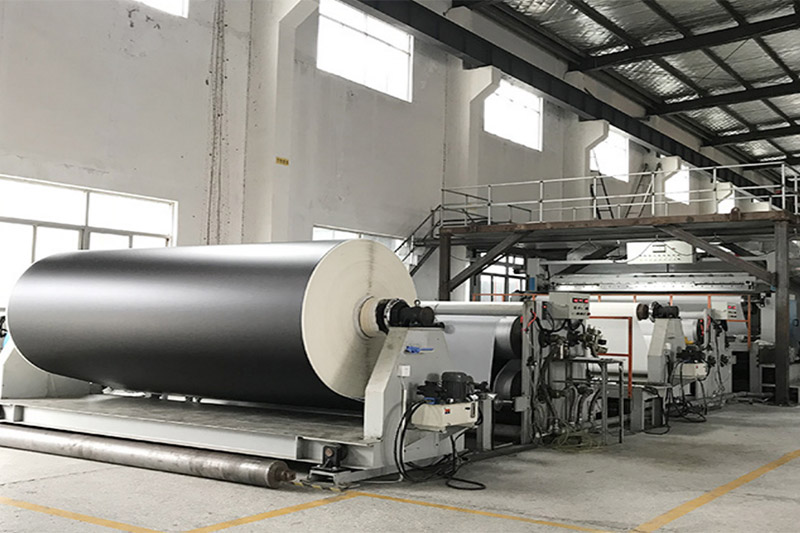
Natural gum sheets, harvested from the tree source wood, have a rare mixture of attributes that produce them indispensable across a diverse assembly of branches. Their inherent springiness assures them to recover to their original structure after significant modification, a vital point in many applications. Furthermore, these laminates display exceptional load-bearing capacity and good resiliency to friction, even when open to variable conditions. Consequently, you’re prone to identify them utilized as vibration dampeners in machinery, liners for tanks and cases, and even as a medium in engineered stopper. The aptitude to adapt their rigidity through various treatment methods allows for personalization to fulfill very explicit wants. Beyond factory deployments, they're also celebrated in artisan projects and even specific competitive goods, manifesting diversity that few other components can compete with.
Heat-blocking Polymer Film: Heat & Energy Capability
Any effectiveness of each isolating sheeting slab rests essentially on its cohesive temperature and voltage elements. Often, these panels are fabricated from elements like chemical rubber, EPDM, or nitrile rubber, each delivering a characteristic balance of immunity to temperature flow and electric transmission. Thermal performance is measured by scores of thermal exchange, decreased numbers representing greater protection efficacy; a strong overlay will notably decrease heat leakage or gain, holding consistent thermal measurements. Charge insulation is crucial for hazard resistance in multiple uses, and the rubber’s dielectric durability – the highest voltage it can bear before cracking – is a key aspect to regard. Disparities in panel thickness and rubber concoction explicitly impact both abilities, offering a versatile technique to cope with specific engineering demands. Furthermore, environmental elements like thermal levels and humidity can gently change related performance, which demands careful inspection during decision.
NBR Material Layer: Petroleum & Substance Proofing Advice
Appointing the suitable nitrile synthetic rubber film for your use focuses fundamentally on comprehending its impressive, yet complex, defense to various oils and chemicals. Nitrile slabs perform excellently as a general-purpose fix, particularly when facing petroleum-based oils, hydraulic fluids, and many aliphatic hydrocarbons. However, degradation can occur with prolonged exposure to certain chemicals; therefore, thorough testing and careful evaluation of the specific chemical environment are vital. This guide explores common chemical impacts and provides a comprehensive understanding – remember, consulting a full chemical correspondence chart specific to your nitrile sheet's formulation is always endorsed for critical sealing applications. For instance, while remarkable with mineral oils, certain esters and ketones may present hindrances, potentially leading to swelling or reduced flexibility. Always validate specifications before implementing!
Polychloroprene Panel Longevity & Multifunctionality Defined
Neoprene rubber plates offer a remarkable integration of capabilities, making them exceptionally suitable for a wide range of functions. This chemical material is renowned for its outstanding resistance to degradation from solvents, elements, and solar illumination. Consequently, highlighted panels maintain their limberness and performance even when exposed to harsh locations. Beyond their hazardous resilience, neoprene’s native softness and competence to survive stress without permanent deformation bolster considerably to its full toughness. Whether you need a buffering layer for engineering equipment, a soft padding for game gear, or a water-repellent barrier, a neoprene rubber panel furnishes a trustworthy resolution.
Choosing Amongst Natural vs. Chemical Rubber Sheets
When reviewing malleable film options, many individuals face the choice of which resource appropriately attends their applications: natural rubber or neoprene. Natural latex-like panels are collected directly from rubber arboreal, and offer exceptional elasticity and pulling hardness, while simultaneously holding a relatively eco-friendly condition. Conversely, neoprene, a synthetic compound, is manufactured via a involved chemical process. This contributes in a material that's inherently impervious to injury from oils, chemicals, and UV exposure – qualities often deficient in natural caoutchouc. Ultimately, the ideal selection balances on the specific use and the environmental conditions encountered.
Choosing the Right Rubber Panel
Appointing between natural, nitrile, or neoprene rubber boards can feel resembling a puzzle, but learning their individual characteristics makes the system far more clear. Natural rubber provides excellent elasticity and durability to abrasion, making it fitting for applications where flexibility is key; however, it won't hold up well with oils or solvents. Nitrile rubber, instead, is distinguished for its oil together with chemical immunity, a fantastic choice for automotive or industrial venues. Finally, neoprene delivers a unique blend of traits, including adequate oil along with weather resistance, coupled with outstanding flexibility – a universal option for hard applications.
Superior Heat-Resistant Composite Slab Options
Contending With the ever-increasing demand for credible thermal operation, our revolutionary high-superior energy-absorbing material cover products provide exceptional barriers across a ample range of applications. These expertly-created substances offer remarkable resistance to harsh temperatures, chemical exposure, and tangible stress, ensuring sustained functionality even in critical environments. Albeit you need to safeguard essential equipment, retain optimal activity temperatures, or reduce electricity depletion, our tailorable sheet slice offerings provide a value-oriented and capable remedy. Also, our professional staff is immediately available to assist you in determining the prime approach for your special needs.
NBR Composite Slice for Difficult Industrial Procedures
Nitrile nitrile films are frequently recognized within the industrial sector for their exceptional tolerance to a extensive spectrum of oils, fuels, and chemicals. These robust materials provide a key barrier in environments where interaction with hydrocarbons and similar substances is commonplace. Beyond simple protection, nitrile coatings offer superior suppleness allowing for use in applications requiring tight seals and custom shapes. From the mobility industry to manufacturing plants, nitrile’s utility makes it a preferred choice. The exclusive blend of properties ensures longevity and reliable performance, minimizing downtime and reducing overall preservation costs. Consider nitrile elastomer sheets when steady protection is a priority.
Composite Rubber Board: Climate Resistance and Ductility
The primary critical advantages of polychloroprene rubber coatings lies in their remarkable atmosphetic resistance. These films demonstrate excellent protection against sunlight, condensation and a broad range of chemicals, making them excellent for both indoor and outdoor employments. Furthermore, cryoprene maintains its bendability even under acute temperatures, allowing it to bear oscillating conditions without rupturing or losing its structural solidity. This combination of durability and resilience makes chemical elastomer boards a steady choice across numerous industries, including construction and athletic goods.
A Detailed Overview to Rubber Sheet Materials: Natural, Nitrile, Neoprene
Determining the proper rubber panel for your application can be surprisingly complex. This guide discusses three conventional choices: natural rubber, nitrile rubber, and neoprene rubber, stressing their special properties. Natural rubber, derived from rubber trees, offers excellent elasticity and tensile resilience, making it suitable for applications like vibration damping and seals. However, it’s vulnerable to oils and weathering. Nitrile rubber, a synthetic copolymer, boasts superior resistance to oils, fuels, and chemicals – a critical factor in automotive and industrial settings; choosing this option offers a reliable solution where exposure to hydrocarbons is foreseen. Finally, neoprene, a closed-cell rubber, shines with its impressive combination of elasticity, weather resistance, and insulation capabilities, allowing it perfect for wetsuits, gaskets, and protective gear, providing a firm barrier against several environmental factors. The supreme choice ultimately depends on the distinct demands of the intended environment.
Opting for Elastomeric Film Choice: Considerations Affecting Effectiveness
When securing a compound board for any application, it’s essential to assess several major factors that instantly change its full behavior. The form of concoction, for exemplar, dictates durability to fluids, degree, and light beam. Breadth plays a primary role in toughness and competence to bear load. Neoprene rubber sheet Besides, the {surface|top|outer