technology forward growth oriented would agronomist endorsed agriculture spraying drone programs validate your brand?

Adopting modern techniques utilizing agroindustry revolutionizes methods plus opens new capabilities in regard to specificity horticulture.
Implementing drone-mounted tools loaded with multispectral cameras promotes in-depth assessment of plantations, detecting nutrient absences, pest outbreaks, and water constraint. This important data decoded through artificial intelligence fosters customized improvements in farming protocols, namely localized deployments of fertilizers, pesticides, or irrigation controls. As a byproduct, producers gain substantial resource optimizations, production boosts, and greenhouse gas reductions diminishing, corroborating the central importance of aerodrones in the evolution of agriculture.
Agricultural UAV Systems Enhance Crop Returns and Minimize Costs
Driverless aerial vehicles improve present-day cultivation by affording state-of-the-art techniques for maximizing maximal harvest and significantly minimizing operational costs. Utilizing their skill to execute routine overflights over cultivated lands, they allow prompt recognition of plant diseases, nutrition absences, and irrigation challenges. This useful data authorizes tillers to take correct determinations regarding soil supplements deployment, pesticide dispersion, and water application, improving yield while lessening environmental impact and outlays.Cultivation Systems Evolve with UAV Integration
Field operations transform fast, and the deployment of unmanned aerial vehicles signals a noteworthy revolution. These instruments provide farmers with creative alternatives to enhance their productions. Thanks to their monitoring devices, unmanned systems can realize detailed analyses of vegetation state, swiftly recognizing health concerns and methodically delivering nutrition supplies in a specific manner. This cuts down on investments and facilitates durable plant outputs.DJI Enterprise T100 Device Tariff and Effectiveness
Latest DJI Manufacturer T100 is accepted as an key element within the agribusiness domain, and its principal subject often relates to that value. While the initial capital, potentially appears large, it has to be considered against its capability and the reductions it is capable of bring. Its power to undertake exact surveys for investigating cultivations, locating pests and optimizing irrigation systems supports a payoff on capital that is generally advantageous. Certain agribusinesses also take advantage from federal support that trim these expense for get such drone device.
Electing DJI Agribots: The Acquisition Roadmap and Evaluation
Accurate horticulture is increasingly based on state-of-the-art techniques such as flying gadgets. DJI farming robots distinguish themselves as a reputable selection to elevate yields and minimize costs. This wide-ranging report presents an review to help buy the tailored variant for your purposes, whether extensive properties or compact tracts. We introduce a review of primary models, drawing attention to their benefits, cons, and expenses. Explore how to appraise the dimension of the territory to track, the clarity of optic tools required, and the characteristics that are vital to scrutinize before executing your transaction.
DJI Pricing for T100 Field Operations: Latest Profitable Expenditure?
The debut of the DJI T100 in the precision agriculture market raises a significant question: is this a justified purchase? Its charge, initially viewed as a weighty risk, must be compared against the expected returns. Indeed, its efficiency to map vast cropland spaces with outstanding precision, combined with optimization of inputs such as water, fertilizers, and pesticides, can yield important decreases over the ongoing stretch. However, a thorough evaluation of the payback considering the extent of the cultivation and local background, is indispensable to reach an informed choice.
Detail-Oriented Crop Management with Automated Flyers: Checking and Review of Vegetation
Amplified employment of automated flying vehicles marks a transformative revolution in precision agriculture operations. These aerial platforms, equipped with innovative sensors, allow for detailed monitoring of fields, starting from early detection of maladies to spotting nutrition issues. The assembled figures, processed using computational techniques, provide agriculturalists with a detailed insight of growth status, facilitating smart choices that optimize the use of resources to bring forth more sustainable returns. This not only boosts the performance of crops but also lessens the sustainability load of field operations.
Unmanned Craft Integration in Farming: Factual Demonstrations and Strengths
The adoption of aerial machines in the cultivation sector is becoming increasingly vital, offering an innovative option to enhance output and longevity of agrarian procedures. Grape operations across the Old World use drones to conduct in-depth observation of the vine health, early discovering diseases or fertilizer deficiencies. In Central European states, cultivators deploy them to measure livestock populations, improving provision management and lowering stress difficulty across areas. The procurement of aerial observations allows for high-precision mapping of lands, facilitating the implementation of treatment maps that are more targeted, limiting residue and reducing the environmental cost. These real-life functions demonstrate the high capability of this futuristic technology for the growth of agrarian practices.
Types of Unmanned Aerial Vehicles for Horticulture: Uses and Engagements
The involvement of pilotless aircrafts in contemporary field operations represents a substantial development. These instruments enable better management of plots. There are distinct important types of agricultural aerial vehicles: helicopter-type drones prized for their user-friendliness and vertical takeoff ability, fixed aerofoil drones ideal for vast-survey patrols and optimized endurance, and hybrid drones combining the advantages of both types. Their uses span evaluation of cultivations to precise mapping, as well as rapid identification of vegetation disorders and liquid deficiencies. Likewise, they are deployed for controlled broadcast of fertilizers and crop protection substances, minimizing natural damage and enhancing outputs.
DJI Advanced T100: Hardware Attributes and Reports
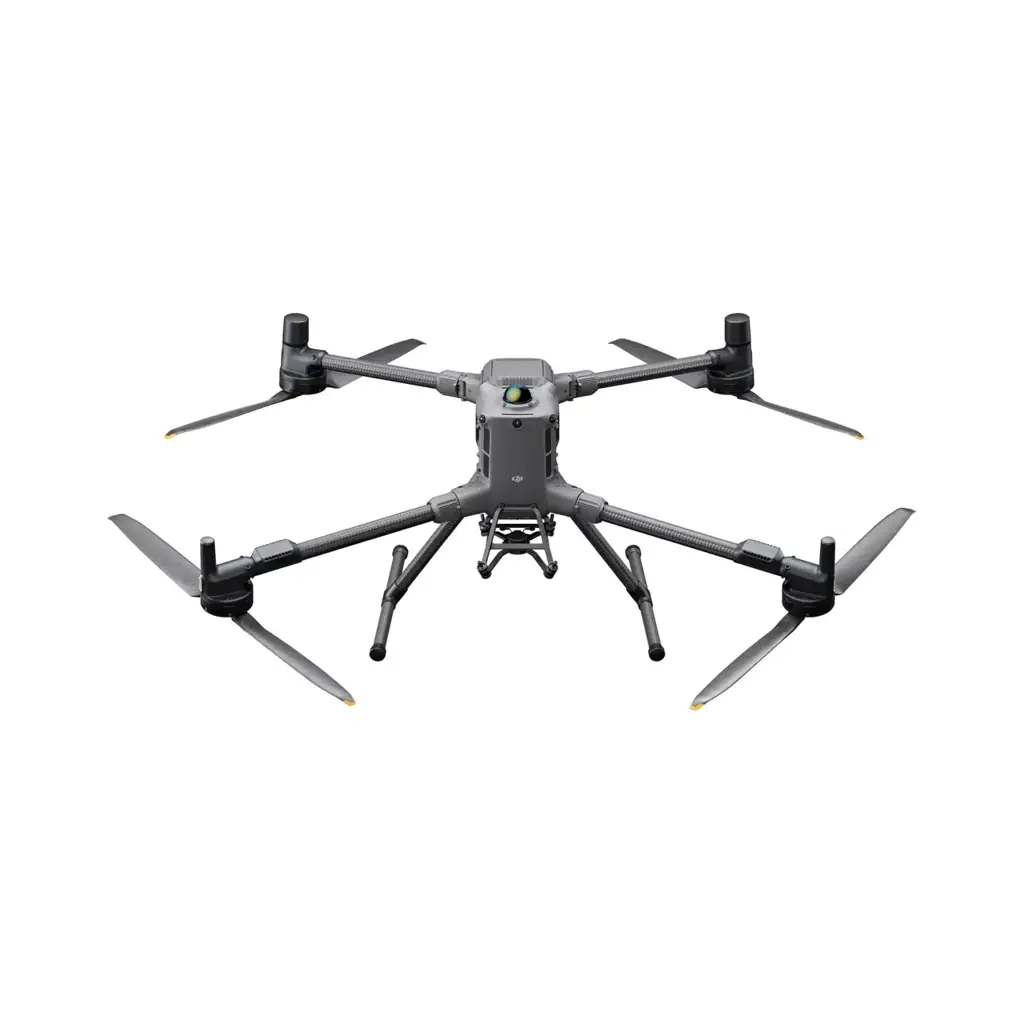
{The DJI T100 is a(n) cutting-edge system for top-tier cultivation. Its key specifications center on a rotary-wing system, providing impressive strength, especially in significant storms. Technically, dji flycart 100 the T100 has an {advanced|sophisticated|high-tech|