system reliability boosting equipment lease oil service options?
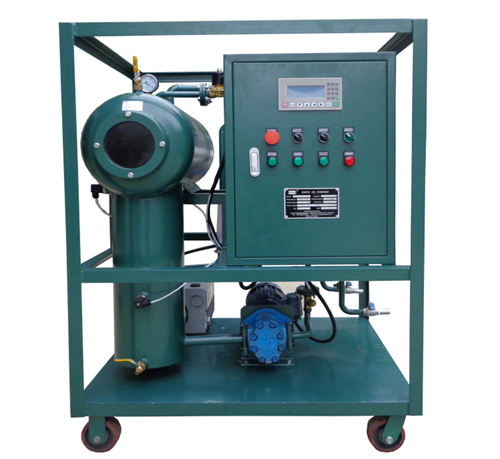
Starting
An grease application concerning transformers proves to be key to such working. With the passage of time, power transformer mineral oil stores impurities consisting of decay substances, particles, and liquids. Such undesirables can lessen the oil's dielectric strength and mechanical features, ultimately endangering appliance reliability and service life. To deal with this problem, modern processing protocols are continually being employed.
These methods often include a blend of technical methods, covering cleaning, capturing, and decomposition. Custom purification equipment can reliably purge bulky matter from the oil, while binding agents are implemented to hold dissolved impurities.
- In addition, oxidation mechanisms can be adopted to break down intricate impurities, thereby refining the oil's features.
Those developments in electrical oil purification processes lead to improved component capability, soundness, and duration, eventually minimizing downtime and related costs.
Enhancing Oil Quality with Exact Filtration Technology
Across stringent sectors of factory workings, keeping prime dielectric performance is important for boosting equipment lifespan and integrated working. Advanced filtration arrangements act significantly in this undertaking by successfully eliminating impurities that can jeopardize oil integrity over time. Such high-grade refinement techniques leverage a combination of naturally-based filtration media and refined engineering to collect a comprehensive selection of unwanted matter from the oil stream. The product is purer more accurate oil that can smoothly lubricate technical pieces, reducing drag , wear, and breakage. By implementing precision filtration systems, corporations can significantly extend the operational time of hardware, minimize maintenance costs, and realize improved operational efficiency.
Industrial Separation Systems: Ensuring Maximum Performance
In contemporary production surroundings, productive efficiency is essential. Enhancing equipment functionality and operating period is connected to several elements, with oil purity serving as a critical aspect. Production filtering mechanisms are integral in upholding lubricant excellence by ridding of contaminants that can induce early degradation, collapse, and financially draining pauses. These sophisticated systems deploy state-of-the-art cleaning to intercept a full scope of impurities, including solids, condensation, and alkalis. By perpetually cleaning the oil, industrial oil purifiers increase service duration, strengthen oil capability, and contribute to a trustworthy and more sound work environment. Regularly upkeep of these systems is vital to secure their effectiveness. This requires assessing the filtration process, substituting elements as needed, and obeying producer recommendations for optimal performance. By investing in elite industrial oil purifiers and adopting a robust maintenance schedule, enterprises can experience substantial financial benefits. Ultimately, these systems establish conditions for continuous movement, restricted delays, and increased profitability.Mitigating Damage via Proper Oil Purification
Oil purification is a vital factor in the maintenance of any engine or machinery. After a period, mechanical oils becomes dirtied with waste, which can obstruct operation and eventually lead to fault. Executing effective oil filtration techniques can significantly increase the life of your machinery and validate optimal operation. Routinely updating your technical oils and utilizing a best-in-class apparatus are important practices. A quality oil filter can capably collect impurities, retaining your unit performing optimally.
Reconditioning Oil for Long-Lasting Equipment
Protecting the efficiency of your electrical apparatus is fundamental for a reliable and budget-friendly current network. Through operation, transformer oil naturally breaks down due to flame, oxidation, and mechanical stress. This decline can lead to increased operational expenditures, reduced efficiency, and potential damage to the assets. Transformer oil regeneration offers a lasting and budget-conscious solution to extend the life expectancy of your transformers by reinstating their baseline properties and performance.
The technique involves purifying the used oil through a series of high-tech techniques, such as filtration, dehydration, and oxidation inhibition. This powerfully removes unwanted elements, restores dielectric strength, and raises thermal stability. By reintroducing regenerated oil into your transformers, you can significantly curtail maintenance requirements, augment general trustworthiness, and ultimately upgrade the longevity of your valuable assets.
The Science Behind Oil Purification for Industrial Applications
Hydraulic treatment is a significant method in industrial applications. Hydrocarbon lubricants are subject to contaminants such as grit, water, and deterioration materials. These impurities can rapidly diminish the efficiency of lubricants, leading to increased friction, wear, and potential equipment failure. Effective oil purification methods apply numerous methods to purge the pollutants. These methods can range from simple filtration that physically trap impurities, chemical treatments that neutralize or inactivate corrosive materials, and thermal processing that evaporates/removes volatile contaminants/separates impurities. The selection of the best-suited technique depends on the targeted setting and the type of contaminants present. Regular oil purification not only increases life expectancy of lubricating oils but also reduces downtime. Moreover, it supports hazard reduction by preventing equipment failures and reducing pollutant spread.
Governance of Fluid Purity: Thorough Analysis
Controlling oil contamination is crucial for ensuring operational efficiency and environmental protection. This complete handbook delves into the specifics of oil contamination, demonstrating its causes, consequences, and effective abatement strategies. Examined will be broad best practices, checking mechanisms, and regulatory criteria to help you lower oil contamination risks.
- Identify the probable origins of oil contamination in various settings.
- Detect the noxious consequences of oil contamination on equipment, infrastructure, and the environment.
- Employ proven strategies to prevent and solve oil spills and leaks.
- Maintain awareness of industry regulations and best practices for oil contamination management.
Refining Fluid Properties for Better Performance
Protecting excellent fluid capability entails meticulous attention to detail, particularly when it comes to the quality of the hydraulic fluid. Fluid contamination can lead to a cascade of detrimental effects, including reduced efficiency, increased wear and tear on components, and even catastrophic system failures. Adopting a robust decontamination process is crucial for mitigating these risks and ensuring the longevity and reliability of hydraulic systems.
Through regular filtration and cleansing processes, it's possible to remove harmful particles, water, and other contaminants that can compromise fluid performance. By employing first-rate filters with appropriate micron ratings and utilizing specialized purification equipment, operators can effectively maintain the integrity of the hydraulic fluid and extend the operational lifespan of critical components. This proactive approach not only minimizes downtime and repair costs but also enhances the overall safety and efficiency of hydraulic systems.
Deep Cleaning Transformer Oil: A Step-by-Step Process
Periodic support of transformer oil is important for the extended performance and lifespan of your transformers. In continual use, oil can become contaminated with particles, affecting its ability to effectively cool and defend the transformer components. Deep cleaning transformer oil involves a multi-step process to clear these contaminants, returning the oil's properties to optimal levels.
- Initially carefully draining the existing oil from the transformer tank. This requires proper shielding actions and adherence to manufacturer's guidelines.
- Thereafter, the transformer tank must be thoroughly detoxified with a suitable solvent. This process helps clean any left behind oil and contaminants from the tank's walls.
- Subsequent to the tank is , thoroughly cleansed, the polished oil can be replenished back into the transformer. The amount of oil added needs be be consistent with the manufacturer's specifications.
- At last, it is required to check the transformer's oil level and property regularly. This will facilitate you to uncover any potential concerns early on, allowing for rapid action.
Determining the Appropriate Oil Purifier for Your Needs
About picking the optimal oil purifier for your criteria, it's important to consider a spectrum of factors. First, analyze the volume of your oil system and adopt a purifier that can efficiently handle it. Next, weigh the type of oil you're utilizing. Different purifiers are formulated to extract specific foreign matter. Finally, factor in your budget and explore different brands and models that go with with your demands.
- Furthermore, pay attention to specifications like cleaning rate, operational sound, and servicing ease.
Tangible Benefits of Oil Purification
Regular treatment of transformer oil offers a multitude of measurable benefits that elevate the efficiency of electrical equipment. Most significantly, purified oil reduces erosion to fundamental components, extending their lifespan. This minimizes expenditures. Furthermore, cleaner oil increases heat transfer capabilities, leading to more productive cooling and preventing excess temperature.
By removing contaminants, transformer oil purification promotes smooth operation and lowers the risk of current interruptions. This ultimately Lube oil purifier {contributes to|leads to