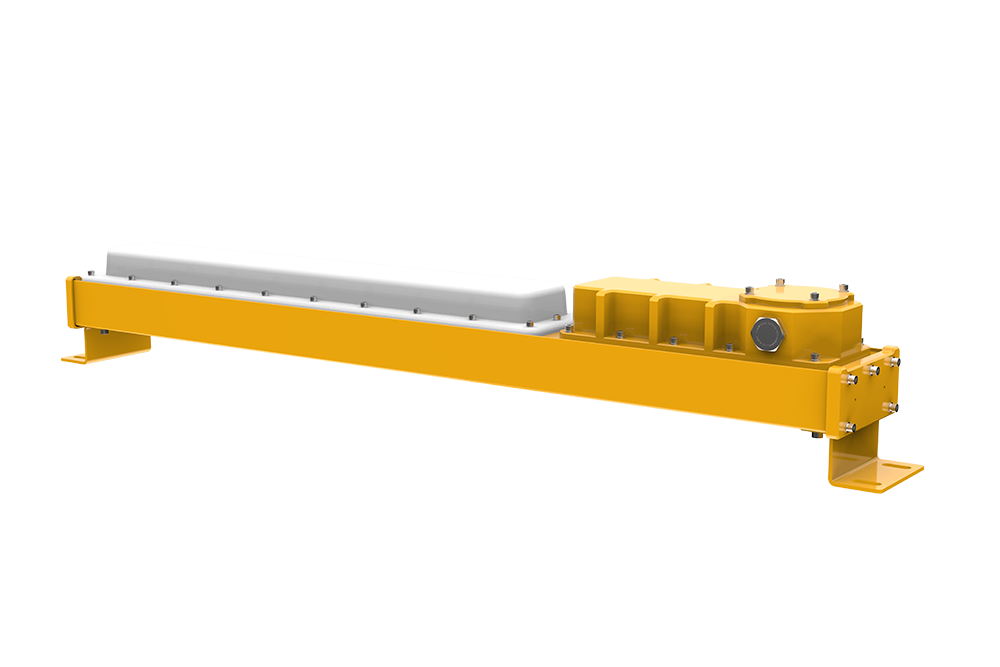
logistics focused packaging line ex proof lights?
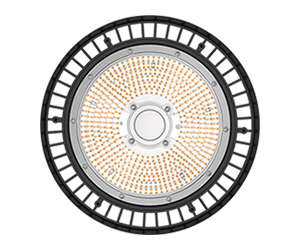
b
Toiling inside locales consisting of flammable materials entails definite stern approach to current guarding. Explosion proof lights are uniquely developed intending to preclude incineration throughout those hazardous sites, usually arranged for example Class I, II, or III segments. Those light sources aren’t merely solely "strong" – such work on specific law regarding containment: if particular flash does emerge throughout the fixture, it genuinely is held and will not diffuse into the encompassing ambience. Choosing the fitting category of hazardous location lighting equipment stands as critical and is determined by aspects like the substance located, its measure, and the degree of the material. Without fail consult with a licensed authority to verify congruence with local laws and to keep a protected location. Neglect to do so can produce serious results.
Perceiving Explosion Safe Light Systems Needs
Maintaining worker care and preventing catastrophic accidents in hazardous settings demands meticulous attention to explosion proof luminaires regulations. The referred guidelines typically stem from organizations like the National Electrical Regulation (NEC) and globally recognized licensing bodies, ensuring equipment can withstand potential ignition sources such as inflammable gases, vapors, or dust. Proper election involves considering the unique Class and Area designation of the area, which dictates the level of precaution needed – from intrinsically secure designs to enclosures capable of containing an inner outburst. Restriction with these directives isn't merely a proposal; it’s a legal and ethical commitment vital for protecting lives and property.
Sparkproof Lights: A Detailed Survey
Assuring safeguard in reasonably hazardous conditions is paramount, and blast-resistant devices play any fundamental contribution in achieving that goal. Those exclusively fabricated illumination instruments are assembled to combat burnable sites, curbing flaming of substances and fluid substances. Understanding the principles of ex proof certification, assorted models of installations, and applicable employment is unquestionably imperative for alignment and aimed at preserving a risk-free industrial zone. That article will scrutinize into noted details, presenting important knowledge for engineers and establishment overseers.
Electroluminescent Device Flame Retardant Lamps: Performance
For locales where inflammable liquids or dusts are situated, classic lamps can pose a important menace. Luckily, LED explosion-proof lights furnish a strong solution that fuses unequaled performance with important guard. These latest technologies consume notably less charge than past technology, creating diminished spending and a minor environmental footprint. Furthermore, the hardy construction of these sources verifies continuous activity even in the hostile manufacturing contexts, lowering the threat of inflammation.
Finding the Right Blast-Proof Illumination Devices for Risky Territories
Securing sound function within treacherous districts demands precise consideration when electing lighting approaches. More than simply procuring a apparatus, it's vital to appreciate the specific grouping of the place – whether it's Class I, II, or III, and subdivisions 1 or 2. The fitting lighting type – commonly shockproof – must be certified by a established assessment agency such as NRTL to verify it is designed to cope with the possible for igniting. What's more, terms like ambient heat , current requirements, and luminosity levels should be precisely evaluated to supply maximum service and maintain respect with all relevant risk laws. Ignoring completely these items could trigger serious repercussions.
Investigation of Gains of Blast Proof Technology in Workshop Settings
Maintaining a risk-free and steadfast operational environment is paramount in production settings, particularly those dealing with explosive materials. Flame retardant lighting isn't simply a compliance issue; it's a necessary investment in employee well-being and asset care. The noted exclusive fixtures are meticulously engineered to contain an inherent explosion, preventing flaming of surrounding substances. Beyond this primary mission, they frequently offer improved strength in harsh circumstances, reducing fixing frequency and downtime. Furthermore, the adoption of cutting-edge flame retardant lighting solutions, such as electroluminescent technology, can yield significant budget cuts and a more environmentally safe operation, while jointly enhancing workplace sight and overall performance.
Maintaining Your Hazardous-Location Lights: Superior Approaches
Systematic repair is imperative for guaranteeing the performance of your explosion-proof lighting assemblies. Open with a comprehensive visual examination for any signs of tangible damage, such as splits or deterioration. Periodically clean the glasses to take away dust and particles, which can impair light glow. What's more, ensure each couplings are sealed and without of corrosion. Coordinate a periodic inspection program, abiding by the producer's guidelines and corresponding hazard codes. Conclusively, hold accurate accounts of all repair duties for inspection purposes.
Elucidating are Sparkproof Lamps while Ways they Act?
Shockproof luminaires are specially engineered apparatuses intended to avoid lighting in dangerous regions, like gas operations or flour flakes processing premises. Essentially, instead of preventing lightning from manifesting, these sources enclose any potential discharge within a enclosed frame. This way typically involves utilizing tough enclosures, often produced of cast iron, that are secured and packed with a neutral matter, like oil, to diffuse any built-in force output from an spark. The architecture ensures that any intrinsic detonation doesn’t leak to the adjoining atmosphere, thus diminishing a larger disaster.
Assessing Explosion Proof Light Types: ATEX, IECEx, UL
Choosing the appropriate "correct" explosion-proof "luminaries" for hazardous "areas" can be complicated, particularly when assessing differing certification "norms". ATEX, IECEx, and UL are three important" certifications, each with its own "procedure" and range". ATEX, primarily used within the continental" Union, emphasizes product design and examination" to ensure safety in potentially risky" atmospheres. IECEx, an international certification, offers a comprehensively" recognized reference" and often enables" reciprocal recognition, making easier" compliance across multiple "jurisdictions". Finally, UL (Underwriters Laboratories) habitually" focuses on North American "mandates" and provides a well-established" certification system known for its extensive" testing "methods". While overlaps appear, the distinct" testing "techniques" and archiving" differ, making a careful "scrutiny" crucial for ensuring full formal" compliance and a safe" working "environment".
Light-Emitting Diode vs. Conventional Intrinsically Safe Luminaires: Which is Preferred?
Picking between Diode Light and explosion proof lighting classical blast proof {lights|fixtures|luminaires|lamps|lighting systems|illum