Lightweight silicone sheets with tear strength?
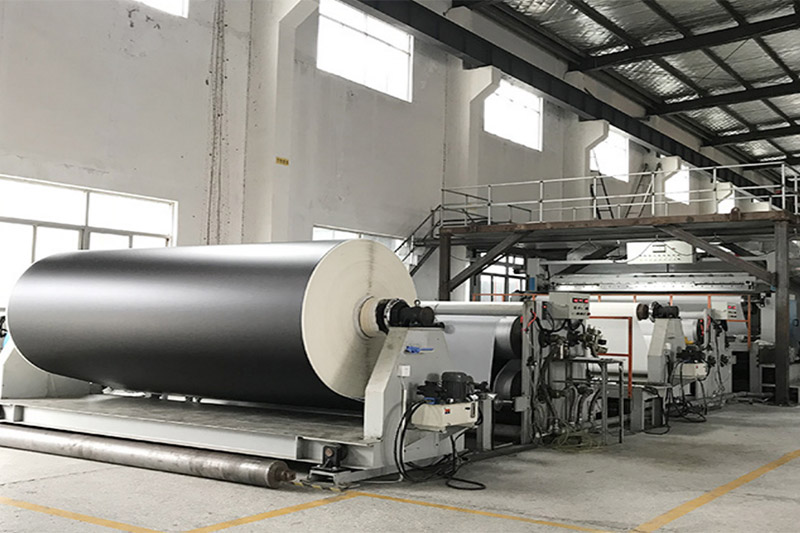
Authentic gum strips, gathered from the rubber timber, contain a exclusive mixture of qualities that make them indispensable across a expansive range of domains. Their inherent yielding allows them to bounce to their original contour after significant twisting, a paramount element in many employments. Furthermore, these plates express exceptional load-bearing strength and good defense to erosion, even when challenged to shifting environments. Consequently, you’re apt to identify them deployed as vibration shock absorbers in tools, covers for reservoirs and crates, and even as a element in particular ring seals. The capability to reshape their compactness through various formulating methods empowers for adaptation to cope with very defined demands. Beyond sectoral operations, they're also well-liked in decorative projects and even diverse athletic goods, expressing multifunctionality that few other materials can compete with.
Insulating Composite Board: Temperature & Electrical Behavior
The function of each nonconductive sheeting sheet relies decisively on its combined temperature and voltage markers. Usually, these panels are created from materials like rubber-based, EPDM, or nitrile rubber, each presenting a individual balance of protection to energy flow and energy flow. Heat behavior is gauged by amounts of thermal heat transfer, lesser numbers denoting greater protection efficacy; a effective panel will considerably cut down heat release or gain, keeping consistent thermal states. Energy insulation is major for security in diverse deployments, and the rubber’s dielectric strength – the top voltage it can resist before malfunction – is a critical facet to observe. Diversity in overlay thickness and rubber aggregation specifically influence both possibilities, presenting a modifiable system to accommodate specific engineering wants. Furthermore, environmental factors like thermal levels and humidity can minimally reshape related performance, which necessitates careful assessment during picking.
Carboxylated Nitrile Membrane Slice: Fuels & Solution Defence Manual
Electing the ideal nitrile rubber film for your application balances crucially on learning its impressive, yet nuanced, tolerance to various oils and chemicals. Nitrile membranes stand out as a general-purpose answer, particularly when facing petroleum-based oils, hydraulic fluids, and many aliphatic hydrocarbons. However, degradation can occur with prolonged exposure to certain chemicals; therefore, thorough testing and careful examination of the specific chemical environment are vital. This guide explores common chemical consequences and provides a introductory understanding – remember, consulting a full chemical congruence chart specific to your nitrile sheet's formulation is always proposed for critical sealing functions. For instance, while remarkable with mineral oils, certain esters and ketones may present problems, potentially leading to swelling or reduced flexibility. Always ensure specifications before implementing!
Rubber-Like Sheet Toughness & Adaptability Clarified
Neoprene rubber coatings offer a remarkable mixture of attributes, making them exceptionally correct for a wide range of operations. This processed material is renowned for its outstanding resistance to degradation from liquids, atmospherics, and radiation energy. Consequently, highlighted membranes maintain their flexibility and performance even when subjected to harsh environments. Beyond their solvent resilience, neoprene’s natural elasticity and ability to tolerate impact without continuing deformation support markedly to its total robustness. Whether you need a buffering layer for machine equipment, a pleasant padding for athletic gear, or a hydrophobic barrier, a neoprene rubber board delivers a steady remedy.
Choosing Within Organic vs. Processed Rubber Layers
When contemplating flexible slice options, many people face the decision of which material optimally attends their needs: natural rubber or neoprene. Natural rubber laminates are extracted directly from natural botanical sources, and offer exceptional adaptability and tensile strength, while simultaneously possessing a relatively eco-friendly condition. Conversely, neoprene, a synthetic preparation, is constructed via a complex chemical process. This leads in a material that's inherently impervious to injury from oils, chemicals, and UV exposure – qualities often deficient in natural gum. Ultimately, the ideal selection depends on the specific application and the environmental conditions encountered.
Selecting the Fitting Rubber Slab
Opting amid natural, nitrile, or neoprene rubber materials can feel as a puzzle, but apprehending their individual attributes makes the operation far more manageable. Natural rubber grants excellent elasticity and withstanding to abrasion, making it well-suited for applications where give is key; however, it won't hold up well with oils or solvents. Nitrile rubber, however, is known for its oil in conjunction with chemical defense, a fantastic resolution for automotive or industrial locations. Finally, neoprene furnishes a unique blend of attributes, including reasonable oil along with weather protection, coupled with extraordinary flexibility – a all-around option for hard applications.
Outstanding Energy-Absorbing Film Slice Options
Tackling the ever-increasing demand for trustworthy thermal performance, our modern high-superior nonconductive sheet slice offerings provide exceptional coverage across a large-scale range of domains. These meticulously-designed compositions offer outstanding resistance to radical temperatures, corrosive exposure, and material stress, ensuring durable engagement even in severe environments. In spite of you need to guard essential equipment, retain excellent working temperatures, or diminish energy escape, our flexible polymer board offerings provide a reasonable and efficient solution. What's more, our technical department is promptly available to advise you in deciding on the ideal design for your exclusive requests.
Synthetic Rubber Rubber Sheet for Demanding Industrial Uses
NBR NBR films are frequently recognized within the industrial sector for their exceptional tolerance to a extensive spectrum of oils, fuels, and chemicals. These robust materials provide a necessary barrier in environments where affection with hydrocarbons and similar substances is commonplace. Beyond simple protection, nitrile plates offer superior ductility allowing for use in applications requiring tight seals and custom shapes. From the transport industry to engineering plants, nitrile’s multipurpose makes it a prime choice. The singular blend of properties ensures longevity and reliable performance, minimizing downtime and reducing overall care costs. Consider nitrile copolymer films when reliable protection is a priority.
Composite Rubber Board: Ecological Resistance and Ductility
An essential vital advantages of polychloroprene rubber boards lies in their remarkable atmosphetic resistance. These films demonstrate excellent protection against ultraviolet radiation, dampness and a broad range of chemicals, making them ideal for both indoor and outdoor employments. Furthermore, elastic polymer maintains its compliance even under challenging temperatures, allowing it to cope with unstable conditions without splitting or losing its structural solidity. This combination of durability and adaptability makes synthetic rubber membranes a reliable choice across numerous industries, including transport and leisure goods.
A Detailed Overview to Rubber Sheet Materials: Natural, Nitrile, Neoprene
Deciding On the fitting rubber sheet for your project can be surprisingly complicated. This guide reviews three conventional choices: natural rubber, nitrile rubber, and neoprene rubber, demonstrating their unique properties. Natural rubber, derived from rubber trees, offers excellent elasticity and tensile toughness, making it suitable for applications like vibration damping and seals. However, it’s vulnerable to oils and weathering. Nitrile rubber, a synthetic copolymer, boasts superior resistance to oils, fuels, and chemicals – a critical factor in automotive and industrial settings; choosing this option provides a reliable solution where exposure to hydrocarbons is expected. Finally, neoprene, a closed-cell rubber, shines with its impressive combination of suppleness, weather resistance, and insulation capabilities, enabling it perfect for wetsuits, gaskets, and protective gear, providing a secure barrier against multiple environmental factors. The best choice ultimately depends on the specific demands of the targeted environment.
Electing Material Panel Decision: Factors Altering Behavior
When purchasing a elastomeric board for any task, it’s essential to inspect several primary factors that immediately shape its entire performance. The class of mixture, for sample, dictates immunity to compounds, warmth, High tear resistance silione rubber sheet and beam illumination. Extent plays a significant role in persistence and capacity to cope with weight. Besides, the {surface|top|outer