How does diatomite filter aid help protect brand image through consistent clarity?
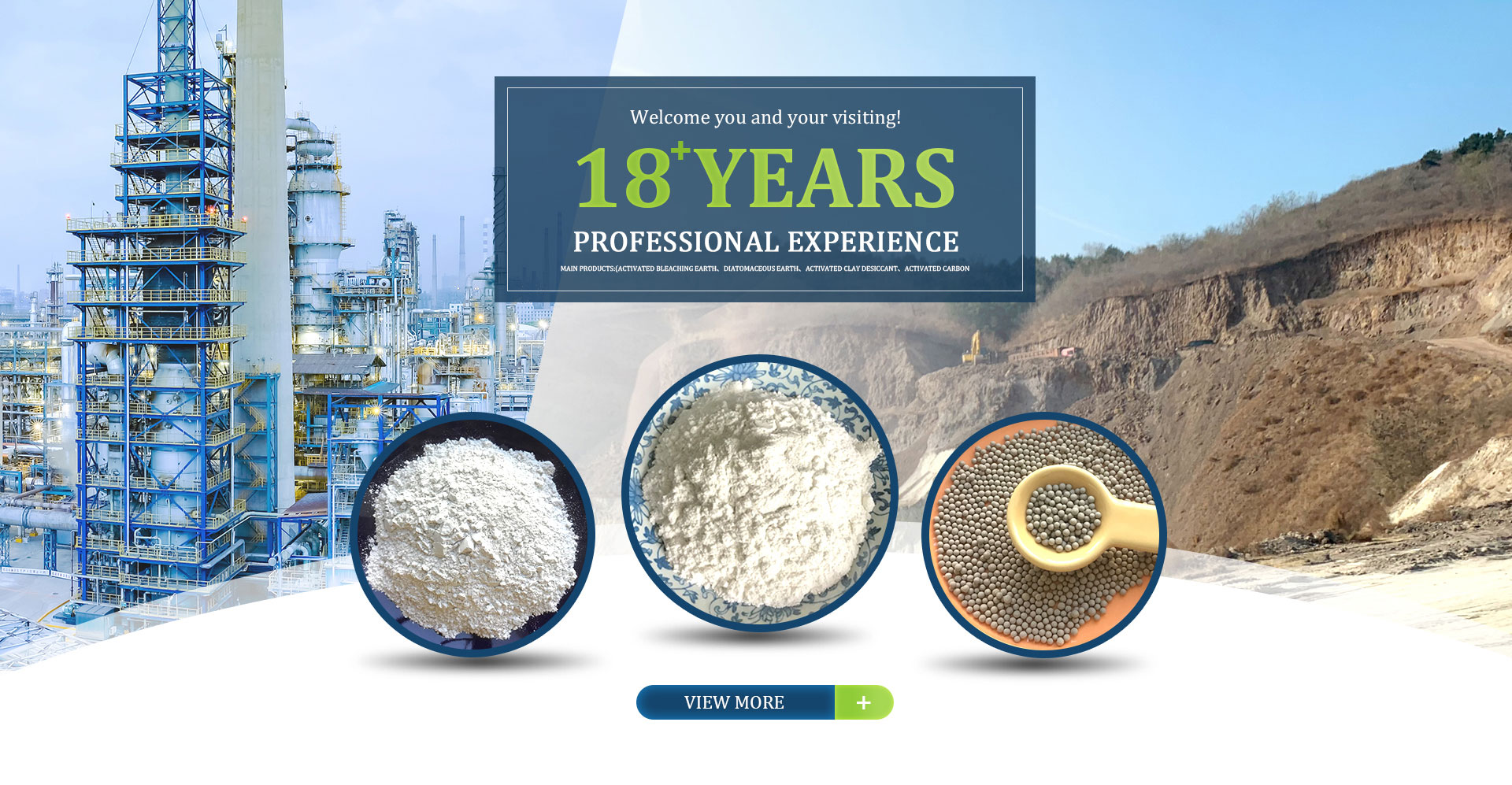
Inauguratingsilica deposit serves as efficient separating agent commonly used in various industrial uses, particularly in the food and drink sector. Extracted from the fossilized remains of siliceous algae, it holds a unique mesh-like layout that allows for excellent clarification. It works by creating a light porous film on a screening device, holding minuscule sediments while providing liquid conduction. diatomaceous earth Deciding upon the proper rank of diatomite filter aid is fundamental for superior function.
Capitalizing Micro-shells Soil for Straining
Silica-rich compound, composed of the fossilized remains of microscopic algae called diatoms, presents a distinctive answer for filtration various ingredients. Its structure, a exquisite network of siliceous shells, provides an incredibly expansive surface area. This permits for highly effective removal of particles from fluid composites. Deployments range from aqua purification and alcohol fabrication to water environments filtration and even crop-related operations. Positives include its natural origin, cost efficiency compared to several synthetic alternatives, and its potential to effectively contain a extensive spectrum of toxins.
- Presents superior solid removal.
- Functions as a green choice.
- Suitable for many fields.
Improved Bleaching Soil: Characteristics and Operations
Enhanced bleaching layer is a class of natural illite that has undergone unique refinement to boost its sorption competences. This process typically involves physical modification, resulting in a augmented structure with a ample surface area. Consequently, it exhibits extraordinary ability to clear impurities from a varied series of fluids, finding fundamental uses in the clearance of fats, fatty matter, and other biomass-derived elements. Alongside, its safe trait and affordability contribute to its surging traction in various sectors.
Diatomite in Comparison with Various Filter Agents
Selecting the optimal clarification element for a specific process can be tricky. While bentonite and other replacements exist, diatomite often presents a convincing case for its predominance. In comparison to these competitors, diatomite commonly offers increased uncloudedness and a higher efficiency of clearing contaminants. However, one's top choice ultimately relies on criteria such as expenditure, employment requirements, and intended product grade.
Explaining Diatomite Filtration Science
Mineralized algae or diatomaceous earth filtration or filtering leverages the unique special structure of such microscopic microscopic algae remains. These these diatoms, upon following death, form yield a sedimentary rocky rock mass composed formed of intricately finely porous openwork silica siliceous shells. This aforementioned porous lattice-like network system provides an incredibly surprisingly large area for catching particulate suspended matter or debris from enclosed by liquids fluidic systems, achieving encouraging highly potent accurate filtration distinguishing.
Amplifying Purification Performance Through Activated Clay
Augmenting such lightening technique with activated earth presents a advantageous measure for enhancing efficiency. This renewable material, gathered from mud, possesses significant absorptive traits that facilitate it to proficiently absorb colored molecules from cloths, thereby reducing utilization of harsh industrial oxidizers and encouraging a sustainable result.
Understanding Diatomite Filter Aid Grades
Finding the best silica powder grade is paramount for efficient refining processes. Silica media grades are distinguished by their fragment size, ordinarily expressed in size units. Narrower grades, like FF or Filter-X, offer excellent lucidity and are best for vulnerable liquids, while higher grades, such as Perlite or Celite 500, afford a improved passage flow for easier employments. Understanding these distinctions will empower you to maximize your screening returns and lessen fees connected with the system.
Sustainable Sourcing of Siliceous Earth
The intensifying demand for fossilized algae earth necessitates a concentration on durable sourcing strategies. Traditional procurement often involves significant land disturbance and can alter vicinal ecosystems. Now, forward-thinking corporations are inquiring alternatives, such as restoration of exploited sites, ensuring mitigated disruption and protecting ecological habitats. Furthermore, visibility in the transit is becoming crucial, allowing purchasers to formulate informed opinions and advocate environmentally conscious activities. Hence, responsible supervision of diatomaceous earth deposits is vital for future availability and curtailed environmental footprint.
- Decreased land degradation.
- Restoration of extraction sites.
- Greater visibility in the logistics.
Altered Purifying Deposit: A Investigative Interpretation
From a chemical standpoint, processed decolorizing material represents a particular class of phyllosilicate minerals. At first, kaolinite mud is molecularly modified via enhancement – typically involving alkaline modification – to dramatically boost its receptive capabilities. The processing creates a large surface with a significant number of reactive residues, facilitating the retention of pigmented compounds from fluids. The action essentially involves chemical interactions and London colligations, yielding a more transparent outcome.