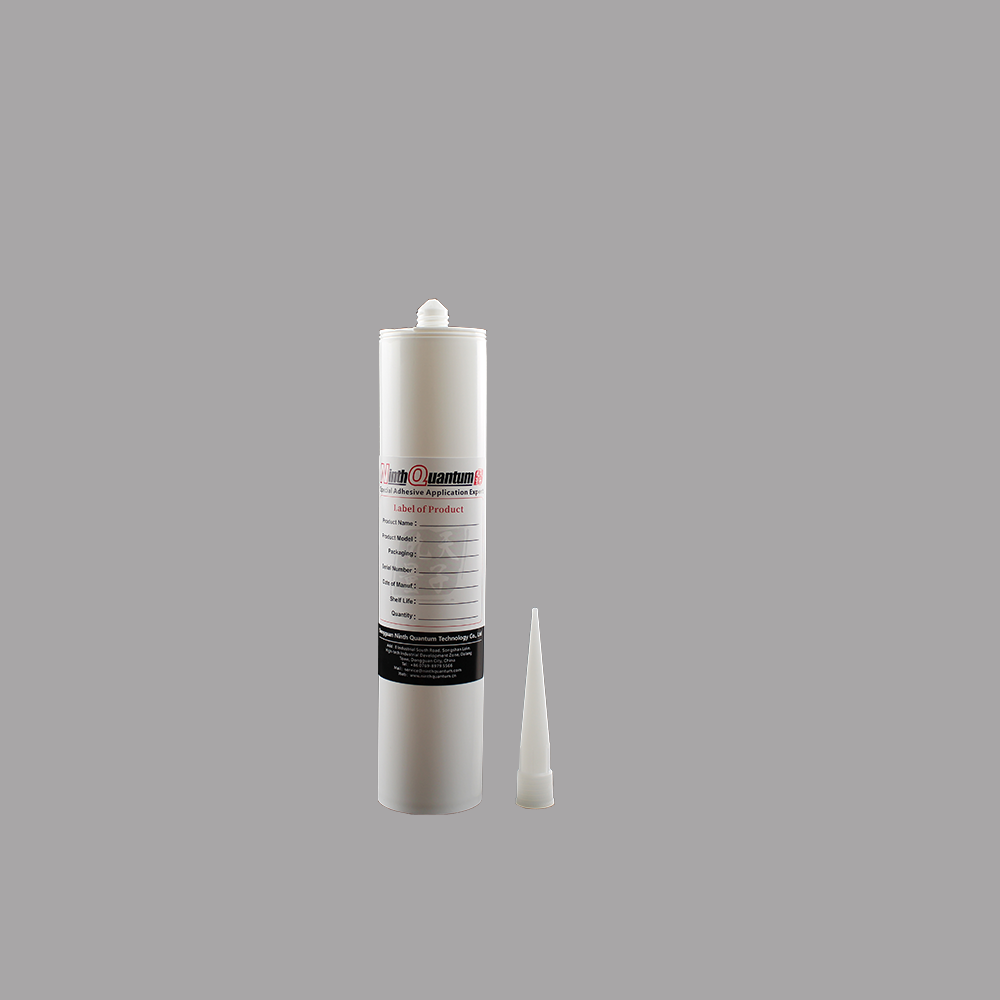
graphene-reinforced composite mixture multi-functional thermal conductive film product?

Amid the tough environment of board encasing closure, acidic sealants have become a favored remedy thanks to outstanding cohesion and persistence against aggressive influences. They generate tough barriers obviating wetness, wear, and contamination. Additionally, their versatility interfacing with different surfaces enhances their functional range.
- Notwithstanding
- issues prevail
- about acidified sealing compounds.
The barriers involve impacts on component robustness and concerns regarding extended stability during use. Thorough experimental activities strive to tackle problems and refine acid-comprising sealing product function in hardware
Modern flexible conductive barriers optimizing electronic temperature management
In the progressive device ecosystem, temperature control holds vital importance. Since gadgets downsize while increasing throughput, solving heat accumulation becomes critical. Advanced conductive materials provide elite heat flow coupled with robustness. Such films blend into complex assemblies, supporting active thermal management. In applications such as cellular devices, laptops, and wearable gadgets, these films can extend charge duration, boost output, and maintain dependability.
- Thermally conductive sheets can be customized to fulfill specific heat handling needs by modifying their makeup and thickness
- Employing thermal sheets within production chains typically ensures facile integration
- Steady research breakthroughs optimize heat-conductive film efficiency, unlocking new markets
Innovative PSDM Tools Fortifying Electronic Reliability
In the developing technology environment, sustaining product robustness is essential. Techniques such as PSDM provide disruptive mechanisms managing urgent demands. The system affords companies insight to surveil performance upfront, reveal potential damage, and activate swift upkeep. This predictive focus critically lowers outage duration, enhances work rates, and grows apparatus life.
Silicone-Derived Electric Conductive Sealants
These products unify silicone's versatility with power-carrying traits. Ideal for uses requiring simultaneous conduction of electricity and heat. Besides, withstanding heat, water penetration, and light exposure suits varied commercial and residential demands
- Generally exploited in gadgets, motor vehicle production, and medical areas
Elite Acidic Sealants Tailored for Tough Environments
Applications subject to constant depletion rely on strong barricades. State-of-the-art acid components afford outstanding shielding versus potent acids. Prepared employing durable constituents, the sealant connects strongly with various surfaces, offering persistent protection in acid-rich environments
- Critical facets embrace impermeable sealing, temperature endurance, and long-term reliability
Adopt our advanced acidic sealing compound for solid performance in rigorous scenarios
Thermal Conductive Sealants Enabling Efficient Heat Dispersion
Across electronic systems and cooling solution domains, conductive sealants prove crucial for effective heat management within gadgets. These formulations feature excellent temperature transfer traits, improving dispersal of excess warmth from device parts. Creating strong interfaces among equipment and cooling elements, these sealants minimize temperature fluctuations. Resulting improvements include enhanced performance, sustained dependability, and greater lifespan through overheating prevention.
Picking a fitting thermal transfer sealer depends on operational environment, substrate harmony, and adhesion levels. Enhancement of thermal transfer substances consistently advances efficiency, fostering compact, dependable device cooling
Excellent Sticking Abilities of Silicone Sealants Exhibiting Conductivity
Silicone-based conductive sealants exhibit superior adhesive quality securing firm bonds. This strong cohesion is vital for maintaining trustworthy electrical pathways and avoiding disconnections. Compositional aspects including conductive fillers like silver particles or carbon black foster strong bonding with metallic, plastic, and glass surfaces. Persistent sticking improves device lifespan by offering immunity to mechanical, thermal, and environmental stresses.
Compatibility of Acidic Sealants with Semiconductor Materials
Opting for sealers in semiconductor applications involves assessing adherence to base materials. Despite advantages such as excellent bonding and firm attachment, acidic sealants may endanger sensitive semiconductor elements. Comprehensive evaluations and rigorous testing are necessary to determine compatibility of specific acidic sealants with commonly used semiconductor substrates.
Determinants involving acid concentration, time of exposure, and ambient climate bear on sealant effectiveness and component interaction. Undertaking exhaustive testing safeguards semiconductor devices from harmful corrosion and decay triggered by sealants
Importance of Conductive Films in Electronics Fabrication
Materials that conduct electricity act fundamentally in facilitating current distribution during electronic fabrication. Such materials permit electricity to traverse seamlessly, enabling proper operation of intricate circuits and systems. Usage cases include pliable screens, thin transistor layers, sensor arrays, and microchip technologies. Efficient electric charge transfer combined with low bulk makes these films perfect for modern technological solutions
Properties of conductive layers are meticulously adjusted to conform to specific functional demands in various uses. Illustrative example includes tweaking transmission attributes to elevate efficiency and overall device function. Besides, such films coat substrates like metallic sheets, polymer supports, and glass expanding design adaptability and device configurations
- Benefits include pliability, delicate structure, and budget-friendly fabrication techniques
- They receive growing utilization in mobile apparatuses, notebook gadgets, and wearable tech
- Current innovations highlight see-through, flexible, and self-healing conductive coatings endowed with improved electric flow
Analyzing PSDM and Classic Bonding Methods
Adhesion science features key strategies including PSDM and classic bonding systems. This overview surveys differences and commonalities emphasizing pros and cons. PSDM provides quick, precise bonding ideal for delicate surfaces. Conversely, classic techniques use force-based processes typically ensuring robust bonds while being slower
- Major positives of PSDM feature adaptability and straightforward usage
- Classic adhesive techniques often ensure robust bonding ideal for industrial-grade work
Future Developments in Acidic Sealant and Conductive Film Technologies
Progress in acid-based sealant and conductive film sciences promises remarkable improvement. Central trajectories target advancements promoting resilient sealants tailored to severe PSDM environments. Alongside, research promotes advancements in conductive coatings for flexible gadgets, sensing elements, and power sources.Partnerships linking scientists and industrial producers remain crucial to accelerate new developments. This strategy of joint innovation delivers tailored acidic sealing and conductive coating technologies addressing broad sector needs