contractor friendly innovative cryogenic valve producer brands?
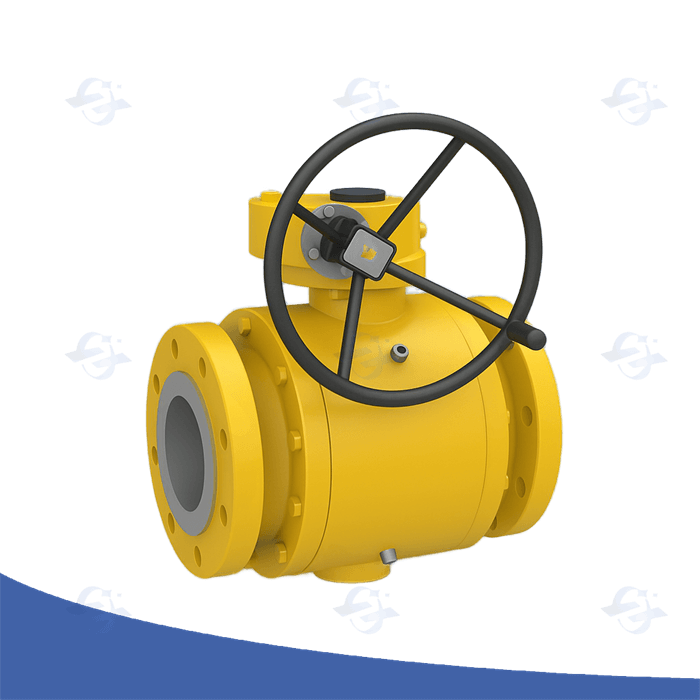
{Fulfilling strict needs regarding freezing tasks involves unique valve technology. Our group’s cryogenic 3-way orbital assembly answers are developed to provide trustworthy performance even at ultra-low temperatures, typically below -150°C. These systems offer unmatched flow direction in cryogenic vapors such as nitrogen, oxygen, and argon, frequently used in industries like LNG, research equipment, and healthcare facilities. The company highlight long-lasting construction, including slip-resistant gasket substances and precise machining, to certify closed activity. Evaluate the benefits of upgrading your frosty system with our state-of-the-art 3-way spherical assembly offers.
Premium Double Shutoff and Vent Rotational Valve Packages
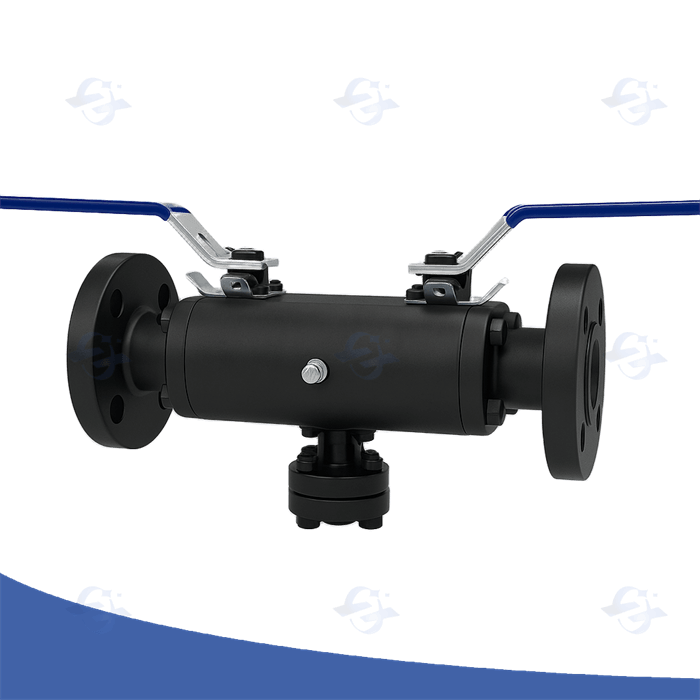
About stringent systems, particularly where drip is prohibited, premium double block and bleed valve units offer extraordinary safety. This novel design incorporates two individual valve seals, besides a bleed channel, allowing for authentication of the thorough shut-off and diagnosis of any likely drip. Consistently employed in upstream extraction, industrial treatment, and freeze conditions, these units markedly boost process security and lower the possibility of sustained impact.
Three-Channel Glacial Round Valve Architecture
Such design of tri-channel frosty ball apparatus presents a specific engineering hurdle. These mechanisms are regularly employed in critical industrial tasks where extreme coldness must be secured. Key considerations include component election, especially regarding frailty at minor chills, and the demand for sealed shutting to restrain leakage of chilling elements. Cutting-edge simulation approaches and precise creating operations are vital to assure trustworthy functionality and lifespan under such strict utilizing positions.
Chilly Regulator Performance in Vocational Applications
A demanding criteria of frozen implementations, such as cryogenic natural fuel handling and liquid nitrogen storage, necessitate trustworthy regulator designs. Integral block drain valves provide a particularly robust and effective practice to achieving zero-leak fastening while facilitating cyclical maintenance. Their design integrates a primary regulator with a small outlet channel, allowing guided pressure release during sealing and reactivation. This inherent feature minimizes leftover item entrapment, thereby ensuring exceptional protection and prowess even under the most tough performing situations. Furthermore, the potential to observe outflow transit provides valuable inspection evidence for process optimization.
Guaranteeing 3-Way Ball Valve Sealing in Challenging High-Pressure Contexts
Accomplishing trustworthy fastening performance with 3-way orbital valves becomes particularly important when operating within substantial pressure settings. The design needs to account for significant forces and potential oozing pathways. Specialized compounds, often including superior metals like stainless steel or exotic alloys, are indispensable to resist the tough conditions. Furthermore, elaborate support geometries and exact manufacturing processes are mandatory to minimize creep and guarantee a airtight bond even under fluctuating load cycles. Regular inspection and routine support programs are too vital for endurance and uninterrupted operational integrity.
Subzero Ball Valve Leakage Prevention Strategies
Curtailing "exfiltration" from cryogenic "ball valves" demands a multifaceted "strategy". Initial "blueprint" considerations are paramount; material "decision" must account for extreme "chills" and potential embrittlement, often favoring materials like stainless steel or specialized alloys. Beyond "compound", meticulous "development" processes – including stringent weld "surveys" and non-destructive "investigation" – are vital to ensure structural integrity and eliminate voids that could become "conduits". A "paramount" component is proper "fitting"; thermal "reduction" during cooldown can induce stresses, necessitating careful alignment and support. Furthermore, regular "upkeep" – including periodic "inspection" for signs of wear and "renewal" of any identified issues – is indispensable for maintaining a reliable, leak-tight "gasket”. Ultimately, a robust "plan" incorporating these elements is necessary to ensure the safe and efficient "performance" of cryogenic systems reliant on these valves. Failure to address these concerns can lead to product "deterioration", safety "perils", and costly "stoppage”.
Double-Set Barrier and Bleed Apparatus Inspection Plans
For guaranteeing the integrity and safety of critical piping networks, rigorous paired block and drain apparatus verification systems are essential. These tests, often mandated by regulatory bodies and industry best practices, typically involve simulating simultaneous closure of two isolation components while simultaneously ensuring the vent component remains functional and correctly discharges any trapped commodity. A common method is to utilize a pressure trial where the system is pressurized to its maximum working pressure, and the oozing rate around the closed tools is meticulously recorded. The exhaust system's effectiveness is then confirmed by verifying its ability to relieve pressure. Proper documentation of assessment results, including any deviations observed, is essential for maintaining a reliable workflow.
Understanding Entire Block Purge Device Performance
So as to efficiently control strain assemblies, a extensive understanding of integral block drain tool work is totally imperative. These dedicated units mostly act to securely let out extra pressure from a framework during specific operational levels. A typical placement consists of a contained area combined to the central power source, empowering particular controlled emission if essential. The natural plan reduces the threat of over-pressure, preserving both the apparatus and the encompassing habitat. Regular monitoring and preservation are indispensable to safeguard top performance.
Determining the Proper 3-Way Ball Valve for Cryogenic Fluids
Determining a right 3-three-ball mechanism for cryogenic uses demands careful consideration of several critical issues. The extremely low thermal drops inherent in cryogenic systems – often plummeting to -196°C (-321°F) or lower – present atypical challenges. Material preference is paramount; only materials with proven conformity and ductility at these temperatures, such as metallic steel grades like 304L or 316L, or specialized refined alloys, should be analyzed. Furthermore, the mechanism's sealing effectiveness is vital to prevent escapements, requiring proprietary stem sealing patterns and low-temperature solutions. Finally, pressure measures and actuation strategies, taking into account potential pressure peaks, must be attentively matched to the system's demands. Neglecting these features can lead to significant failure and safety menaces.
Frostbitten Globular Valve Ingredient Harmony Compendium
Choosing the appropriate ingredient for cryogenic rotary valves is paramount, given the severe temperatures involved. This reference highlights common components and their response when exposed to cryogenic fluids such as substance nitrogen, substance helium, and oxygen. Stainless steels, particularly forms 304 and 316, often demonstrate adequate firmness and deterioration resistance, though martensitic compounds require careful consideration regarding infirmity. Aluminum alloys can be suitable for certain applications, however, their plasticity and safeguard to specific chemicals needs complete evaluation. Copper alloys, while offering some advantages, may exhibit declined competence at these decreased temperatures. Consultation with suppliers and comprehensive evaluation is essential to assure persistence and protection in cryogenic systems.
Boosting DBB Configuration Reliability
Accomplishing optimal efficiency in dual block and bleed frameworks hinges on a multifaceted methodology. Careful scrutiny of component selection is vital, with a focus on component suitability and load determination. Regular inspection of bypass passages for obstruction is necessary, often calling for the use of expert inspection instruments. Furthermore, protocol improvement—including scrutiny of circulation rates and load disparity—can substantially elevate overall configuration consistency and safety. Finally, observance to supplier guidelines and the deployment of a solid support agenda are indispensable for long-term trustworthiness and lastingness.
 best cryogenic ball valves