Considering AI acceleration capabilities Is best x86 SBC better equipped for multi-threaded workloads than arm
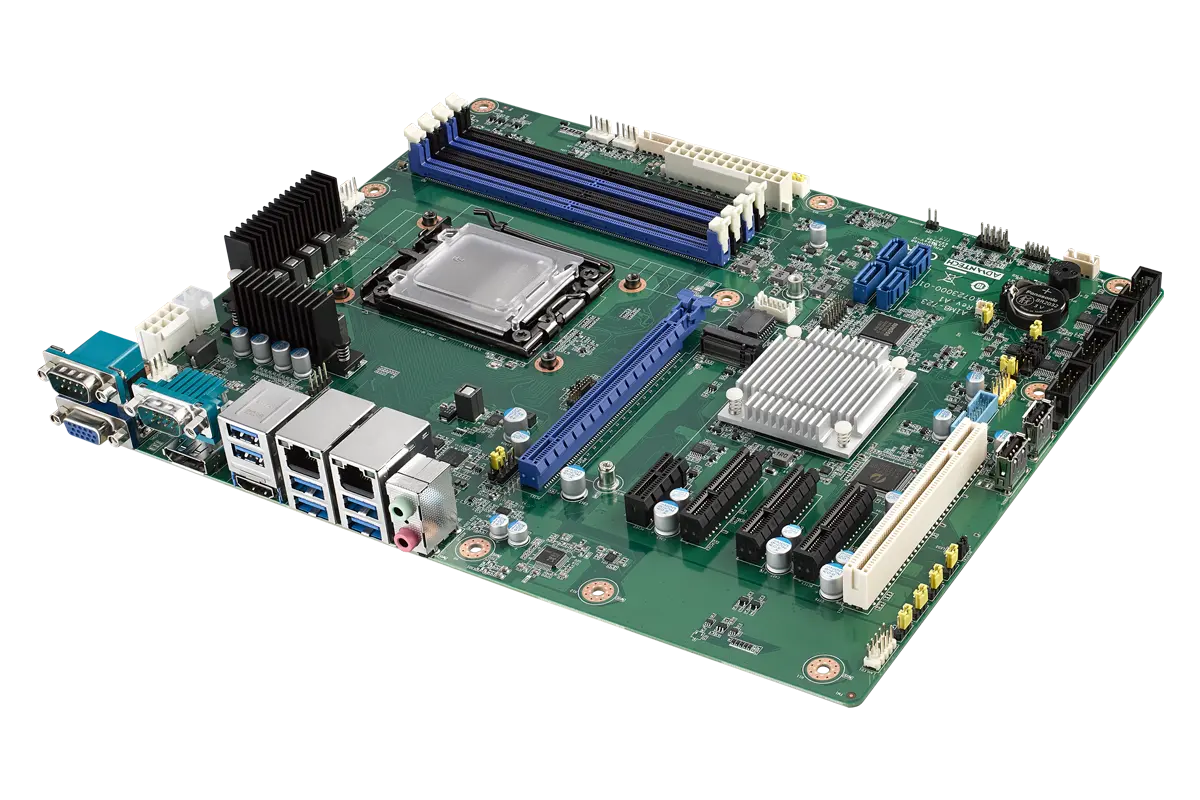
Throughout history, the technology sphere has been ruled by two main structures: ARM and x86. Both structures offer individual merits, leading to a intense struggle for business capture. While the traditional x86 platform, has long held the crown in workstation and enterprise sectors, ARM's advancement has been momentous.
ARM's low-energy competency, coupled with its pliability, has made it a preferred choice for smartphones and embedded platforms. However, ARM is now striving to conquer new territories, including portable devices and cloud centers. This ambition has provoked the traditional x86 giants, who are adjusting through fresh inventions to maintain dominance.
- Essential variations in blueprints determine system responsiveness, power consumption, and overall system design.
- The evolving needs of consumers are driving the demand for more robust computing solutions.
Finally, the struggle of ARM and x86 unfolds as a lively and mutable environment, with both platforms continuously evolving to meet the demands of a rapidly changing world. The outcome of this struggle remains to be seen, but one thing is certain: the future of computing will be shaped by the innovations and advancements of these two titans.
x86 vs armChoosing ARM or x86 CPU for Maximum Output
During the progressively advancing hardware realm, selecting the optimal processor architecture can be a challenging endeavor. Two titans dominate the market: ARM and x86. Both offer compelling qualities, but their performance elements diverge significantly. This in-depth analysis delves into the details of each architecture, empowering you to make an informed decision.
- Performance
- Electrical Consumption
- Value
We'll explore benchmarks, real-world examples, and the superiorities of each architecture, helping you discover which platform best suits your requirements.
Causes of ARM's Popularity Over x86 in Embedded Solutions
ARM units maintain leadership in embedded apparatus areas. This preeminence results from assorted notable origins. First, ARM's architecture is inherently power-efficient, making it ideal for devices with limited power budgets. Second, the ARM ecosystem contains a large and spirited following of developers and hardware partners, providing ample support and advancement. Finally, ARM's accessible framework permits adjustments for exclusive uses, leading to a wide range of products. These factors have joined in proving ARM superior for countless embedded devices, from smartphones to smartwatches and even industrial control systems.
Superior x86 SBC Options for Power Tasks
Deciding on the right x86 SBC involves tough considerations, especially when you're a experienced enthusiast. You need a device that can facilitate hefty operations, offer effective operation, and provide a platform for intensive projects.
- Numerous aspects affect the ideal SBC selection, including processing power, RAM capacity, storage options, connectivity features, and community support.
- For serious practitioners and veterans, a board with a strong processor for example Intel i5 or AMD Ryzen 5 is essential.
- In addition to abundant RAM and swift disk features need for smooth and efficient operation.
Bypass low-standard single board computers; invest in a platform that can completely support your projects.
The Ultimate Guide to x86 Single Board Computers
Delving into the world of affordable x86 SBCs can be both exciting and rewarding. These nimble solutions afford wide-reaching benefits for learners. From building automated residences to scripting platforms, x86 SBCs provide a customizable, wallet-friendly system for advancement. This guide will enable mastery over the growing field of x86 SBCs, disclosing attributes of these resourceful tools.
- Investigate background and role of x86 SBCs within technology progress.
- Review known x86 SBC configurations, factoring specs and target users.
- Learn essential hardware components that comprise an x86 SBC system.
- Investigate application stacks and OS platforms supporting x86 SBCs.
- Highlight groundbreaking initiatives using x86 SBCs through numerous domains.
Shift Towards ARM Dominance Across Desktop Platforms
Though traditionally known for its dominance in mobile devices, ARM architecture is steadily making inroads across laptop hardware sectors. Several factors contribute to this trajectory, including the increasing demand for energy-efficient computing and the growing popularity of cloud-based applications. Manufacturers including Apple integrate ARM cores in portable computers, demonstrating the potential for high speed. This trend is further fueled by the development of new systems specifically tailored for desktop workloads. As these innovations mature and become more widely available, we can expect to see ARM's presence grow considerably over the coming years across traditional workstation fields.
Evaluating x86 against ARM For Optimal System Performance
During the choice of a fresh PC you face two main CPU designs: x86 and ARM. Both offer distinct features, making the decision a matter of harmonizing your needs with the right platform.
Long-established x86 architecture is respected for formidable speed coupled with a huge software library It prevails in desktops, laptops, and workstations, particularly for demanding tasks like gaming or video creation. ARM, on the other hand, highlights energy efficiency and a compact design. This allows it ideal for mobile devices, embedded systems, and increasingly, virtual infrastructures.
- Ponder your leading working context: Are you a professional? Do you need raw power or economical energy consumption?
- Study software functioning across architectures. Not all applications are available on both platforms.
- Consider affordability and procurement linked to architecture selection.
Tiny yet Powerful Leading ARM SBC Options
Single board hardware has expanded widely, led by ARM cores for multi-use and efficiency. These compact tools pack a surprising punch, offering incredible capabilities within a diminutive footprint. For hobbyists, makers, and even professionals, ARM-based SBCs provide a cost-effective platform for everything from learning about electronics to building fully functional creations. Whether you're looking for a budget-friendly option or a high-performance powerhouse, there's an ARM-based SBC out there to meet your needs.
- Dive with us into front-runners across this blossoming field!
Contrasting ARM and x86 Throughput Benchmarks
Matching ARM to senior x86 designs across evaluations reveals noteworthy results. While x86 has traditionally ruled processing ability, particularly for high-complexity functions, ARM devices rapidly catch up over time, especially in areas like mobile performance and energy efficiency. The recent surge in popularity of ARM-based chips supporting mobile and personal computers further fuels this conflict. It's important to note that benchmark results can be conditioned by several aspects, including the specific sample assessed, program strain, combined with control software. Therefore, it's crucial to weigh tests' meaning beyond just ratings.
Has ARM Become the New Standard Instead of x86
The tech arena experiences relentless progression, and one of the most exciting developments entail ARM's growing prominence. While x86 has long commanded the market, ARM's operational thrift gains accelerated popularity. This has led to theories that ARM could displace x86 as the standard architecture.
- Many reasons support this transformation: ARM's energy-efficient design is particularly attractive for mobile devices laptops and even servers.
- Also, ARM's approachable licensing schema fosters progress within networks, generating multiple classes of ARM-integrated components.
Although ARM rises, x86 keeps a powerful presence. Prominent firms devote significant budgets to x86 evolution, and long-standing installations stay usable indefinitely.
As a result, it is difficult to predict a full ARM substitution for x86. The technological landscape probably evolves through combined use of both systems, with each functioning uniquely in diverse industry branches.
Computing's Future ARM and x86 Merge Horizons
The informatics sector accelerates changes. Once distinct architectures, ARM and x86 are now on a collision course, converging to reshape the future of processing power. This convergence introduces transformative possibilities for developers and consumers alike. ARM's energy efficiency and compact design have made it the dominant force in mobile devices, while x86 has long reigned supreme in desktops and servers. However, the separation is diminishing, driven by factors such as the increasing demand for mobile computing and the rise of cloud services.
- This integration probably results in varied hardware assortments, powered by hybrid architectures that capitalize on powers of both platforms. This could result in augmented nomadic machines equipped with prolonged power and optimized servers.
- In addition innovators acquire more assorted programming aids, enabling them to create innovative applications that advance technological horizons. The future of computing appears to be promising, with ARM and x86 convergence playing a pivotal role in shaping the next generation of technology.